
FROM LEAF TO BOWL
Matcha is the whole tea leaf, stone-milled into a fine powder. This is where it comes from, how it is made, and why it is worth every bowl.
Where it comes from
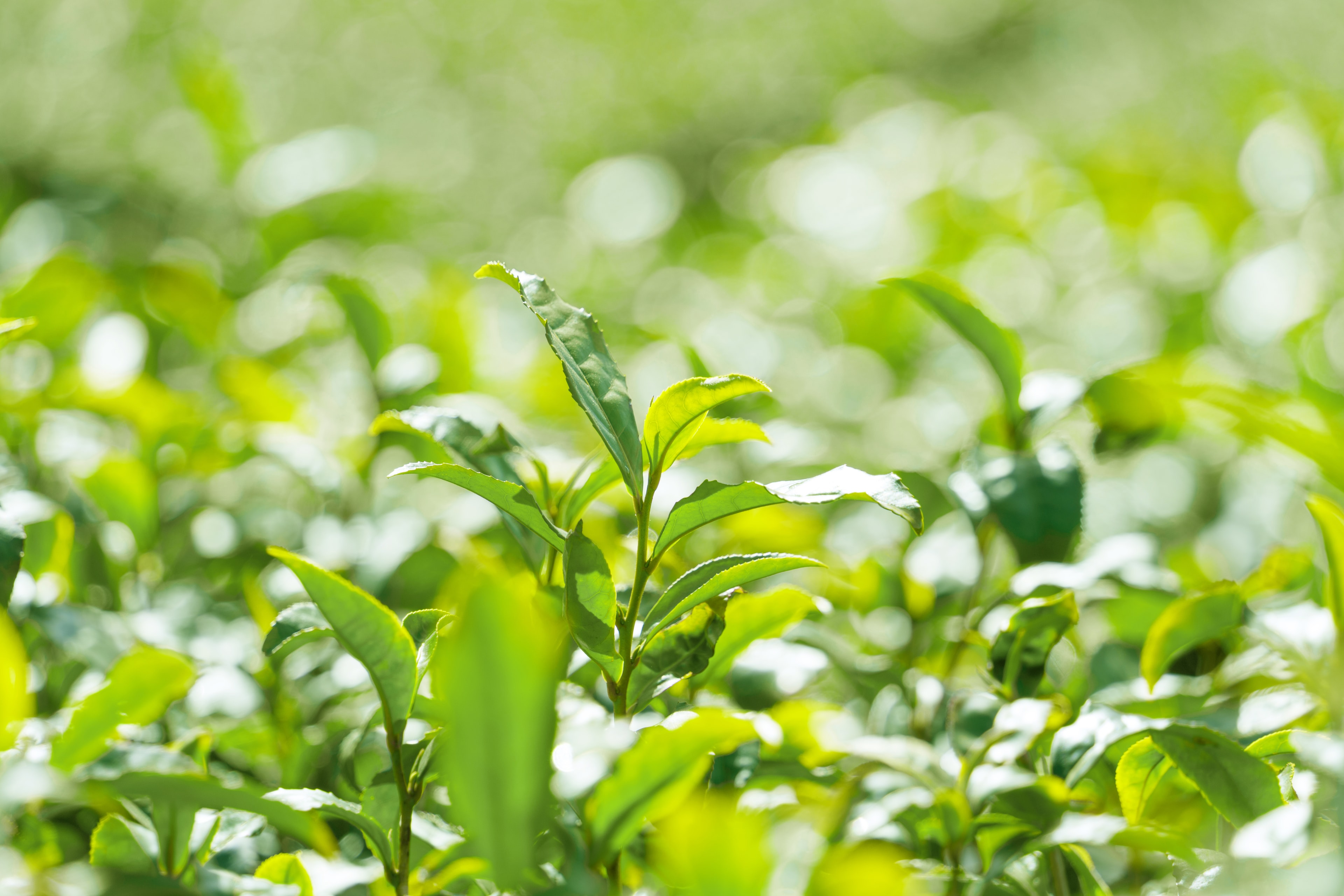
Powdered tea was first drunk in China. In 1191 the monk Eisai brought tea seeds and whisked powdered tea to Japan, where it grew into chanoyu, the Japanese way of tea. Today Japan remains the home of matcha.
How matcha is made
01
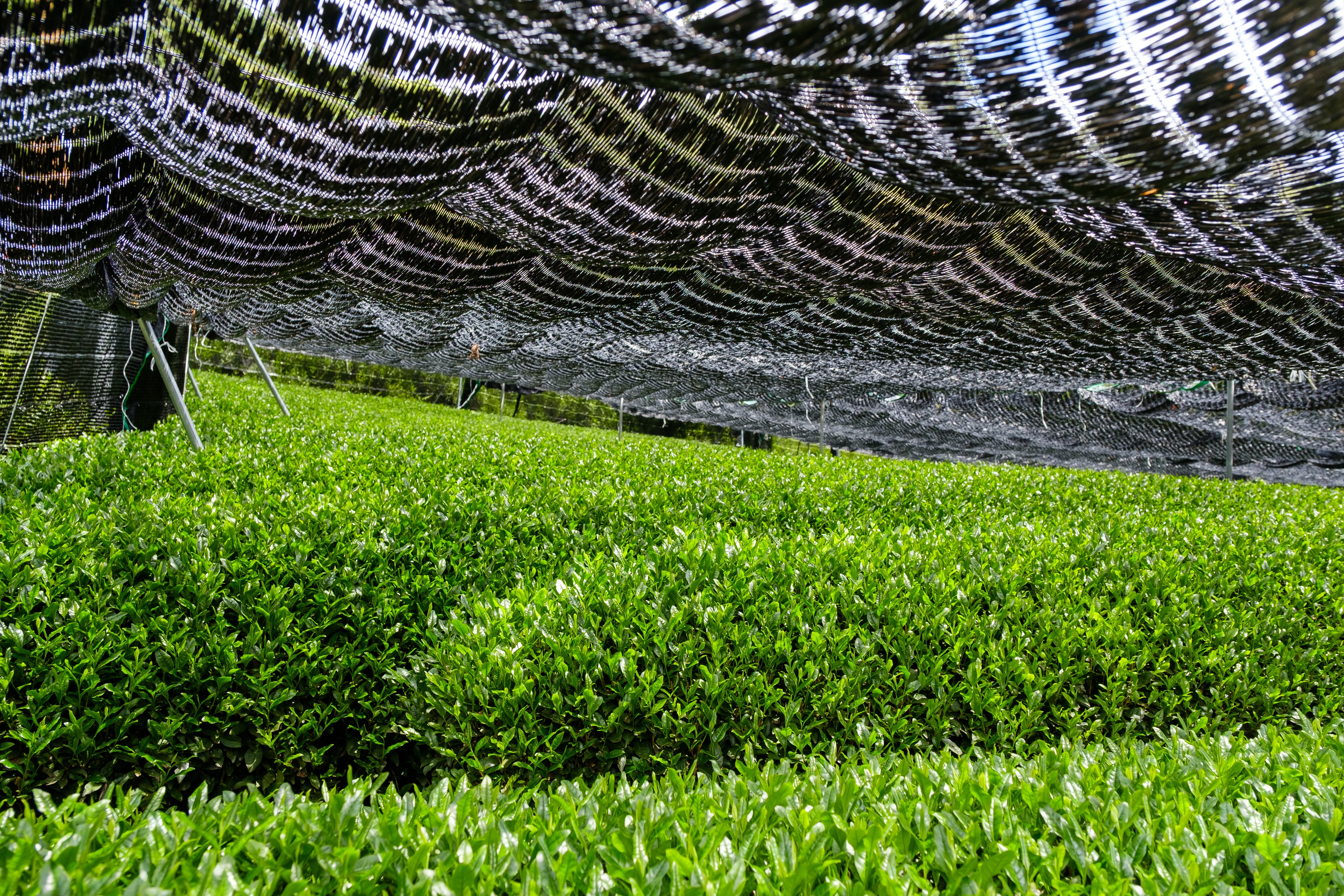
Shading
About three to four weeks before harvest, the tea bushes are covered to block the sun; the leaves turn deep green and rich in umami.
02
Harvest
The young spring leaves of the first flush are picked.
03
Steaming & drying
Leaves are steamed within hours to keep their colour, then dried flat without rolling.
04
Tencha
Stems and veins are removed, leaving only the soft leaf, called tencha.
05
Stone milling
Granite mills turn slowly, grinding only a few dozen grams an hour into a silky powder, then it is sealed fresh.
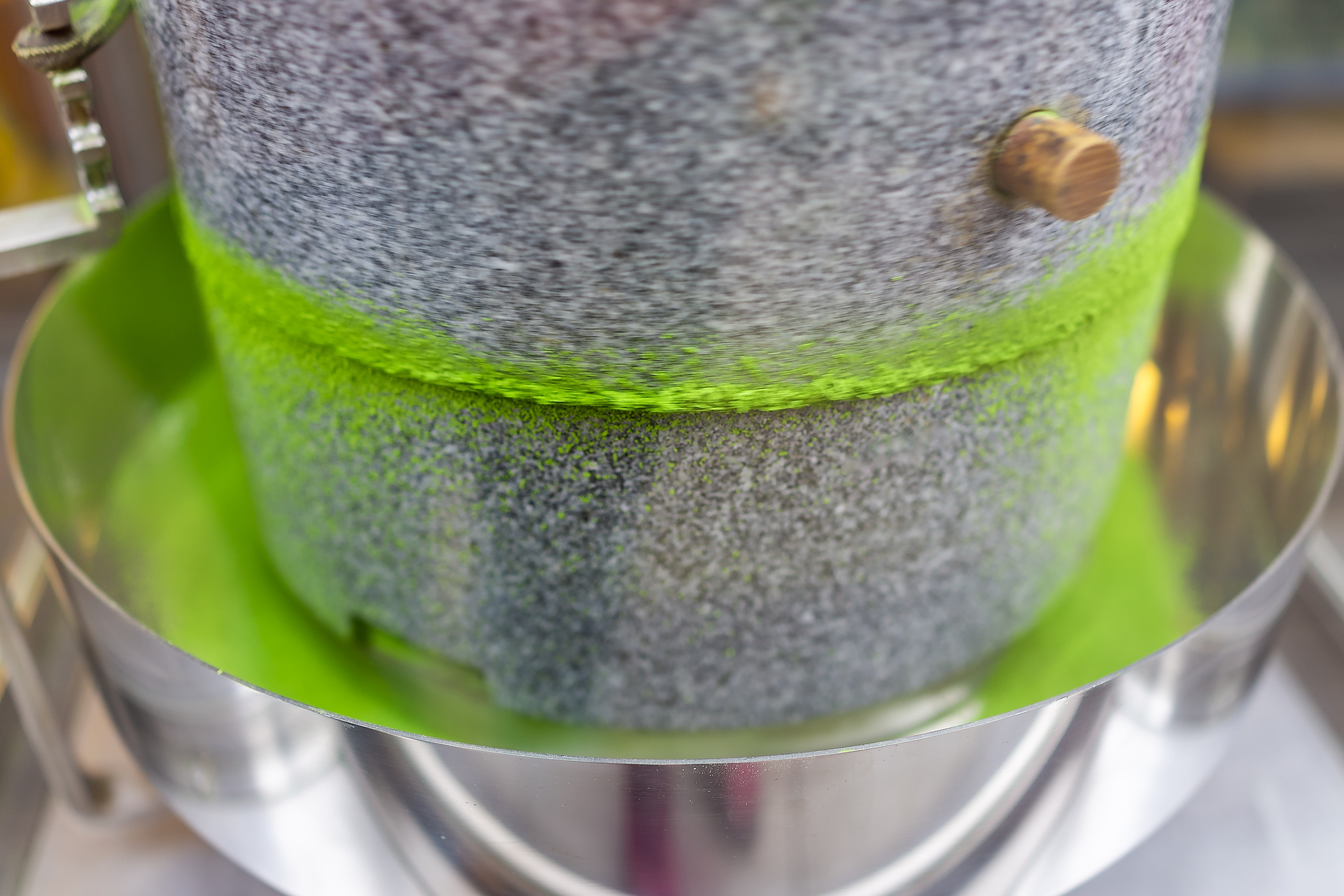
Granite mills turn slowly – only a few dozen grams an hour.
Why matcha
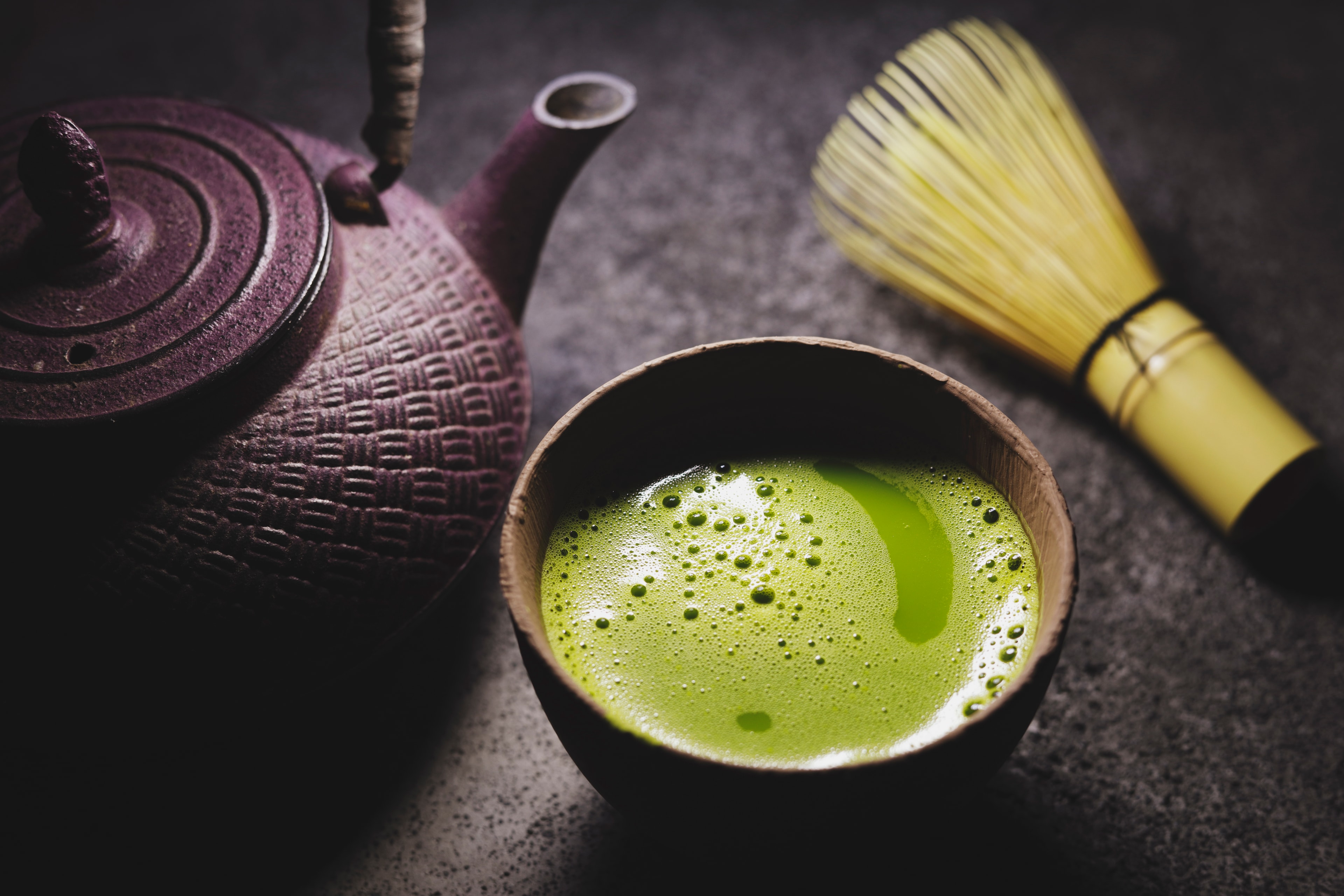
The whole leaf
You drink the entire ground leaf, not just an infusion.
Naturally full of catechins
Matcha is one of the most concentrated sources of green tea catechins, including EGCG.
Calm focus
Natural caffeine together with L-theanine, an amino acid found in tea leaves.
Steady energy
Many drinkers describe a calmer, steadier lift than coffee.
More L-theanine
Shading the leaves gives matcha more L-theanine than regular green tea, and its smooth umami taste.
Vivid by nature
Shade-growing raises chlorophyll, the source of matcha's bright jade colour.
Nothing added
100% ground green tea leaf. No sugar, no additives, and very few calories when whisked with water.
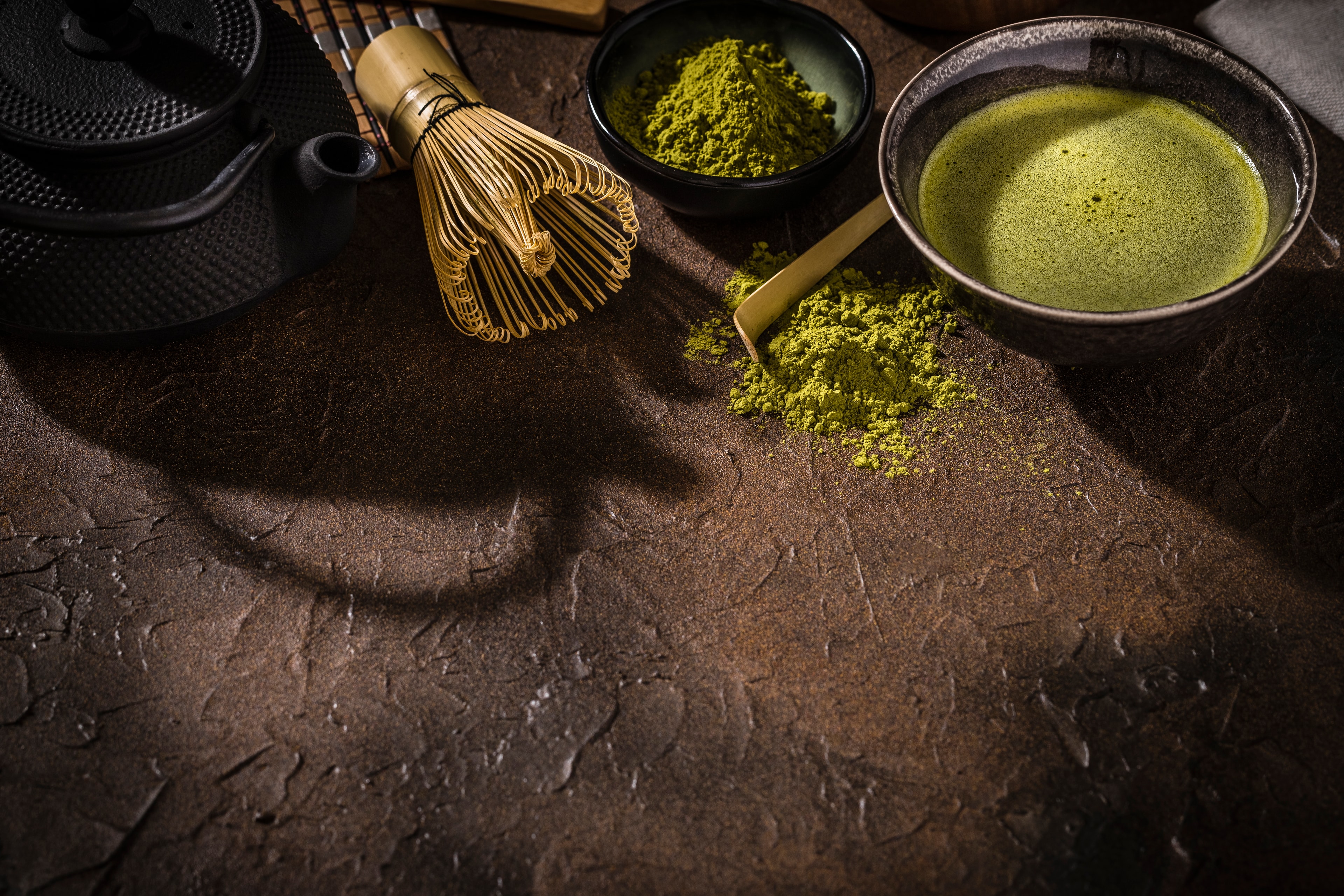
Green jade, in every bowl.
Discover our matchaFor general information only, not medical advice.